
What might Hong Kong’s squad look like in June for the Asian Cup qualifiers? We look at the players who will be on Jørn Andersen’s radar and how he could set up his team.
It’s difficult enough to forecast which players make an international squad when a new manager comes in. It’s even more difficult when the team hasn’t played in seven months and probably won’t play again for another five months.
But yet, here we are in January, trying to evaluate which players are likely to receive a call up from new Hong Kong head coach Jørn Andersen in June for the Asian Cup qualifiers. Players who may have been favoured by former coach Mixu Paatelainen may not catch the eye of Andersen. It’s just one of the things that made this exercise difficult in a year where so much has changed.
It remains to be seen if any of the China-based players can be called up for this coming June. FIFA still has in place rules which absolve clubs of their obligation to release players for national team matches if there is a mandatory quarantine of five days or more for any player traveling to or from international duty. Because of these rules, Paatelainen was unable to call up several key players last June and the same may happen for Andersen.
That said, we did our best to evaluate every position and separate the players who are likely to get called and those on the fringes.

Goalkeepers
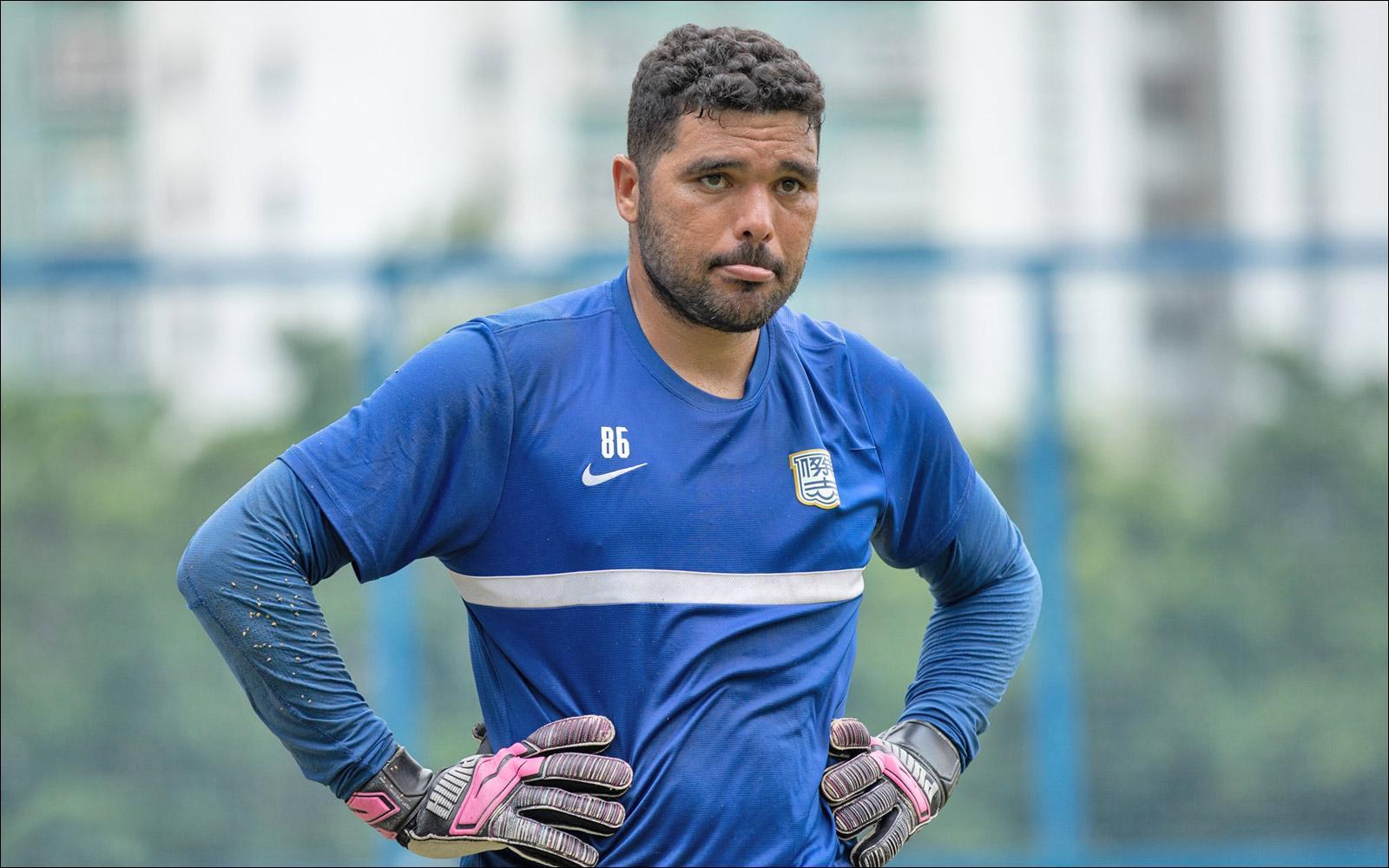
Paulo César (Credit: Kitchee)
The conversation for Hong Kong’s number one starts and ends with Yapp Hung-fai. The Eastern keeper is the most capped player in Hong Kong history at 79 appearances and is unlikely to relinquish his spot in goal until he decides to hang up his boots.
Who may serve as Yapp’s deputies is a far more interesting discussion. Last June, Paatelainen selected Yuen Ho-chun and Leung Hing-kit, but realistically, there isn’t much that separates keepers in the Hong Kong pool who aren’t named Yapp.
Yuen has played in some high profile matches for Lee Man over the past year, but also made a crucial error in the Bees’ AFC Cup semi-final match against Nasaf which led to the Uzbek side’s second goal. Leung moved from Pegasus to Rangers over the summer due to the former’s self-relegation, and is Rangers’ starting keeper for league matches.
The two keepers are about equal in shot stopping ability however, Yuen plays in a system at Lee Man where he is expected to distribute the ball frequently in order to play out from the back. This could be an asset if Andersen requires his keepers to be good passers.
In one of the minor surprises over the past year, a new keeper has emerged on the scene who could challenge for a spot on the squad. Before Wang Zhengpeng suffered a finger injury in early May of last year, he was Kitchee’s starting keeper and presumed to be Hong Kong’s number two keeper for the World Cup qualifiers. Since then, he’s been supplanted by Paulo César, who has remained the Bluewaves’ primary keeper even after Wang returned from injury.
César has been in Hong Kong since 2013 and made the switch to Kitchee in 2018. After barely playing any football for two years while patiently awaiting his Hong Kong passport, he officially became a naturalized citizen in May 2021.
Like Yuen, he has also made a high profile error leading to goal in an Asian competition. But where César soars above the rest of his compatriots – literally – is his height. The Brazilian-Hong Konger is 6’6” and which allows him the ability to pluck most crosses out of the air. He also commands his box better than Yuen, Leung, and perhaps even Yapp. César will turn 36 in March and although this matters less for goalkeepers than outfield players, you would imagine that he’ll only be a short-term stop gap.
There will always be questions about the quality of Kitchee keepers since they are rarely called upon to make a save. But César’s qualities can’t be ignored, and it would be difficult to pick against him. The question then becomes whether Yuen or Leung will be one who is left out of the final squad?
Centre backs
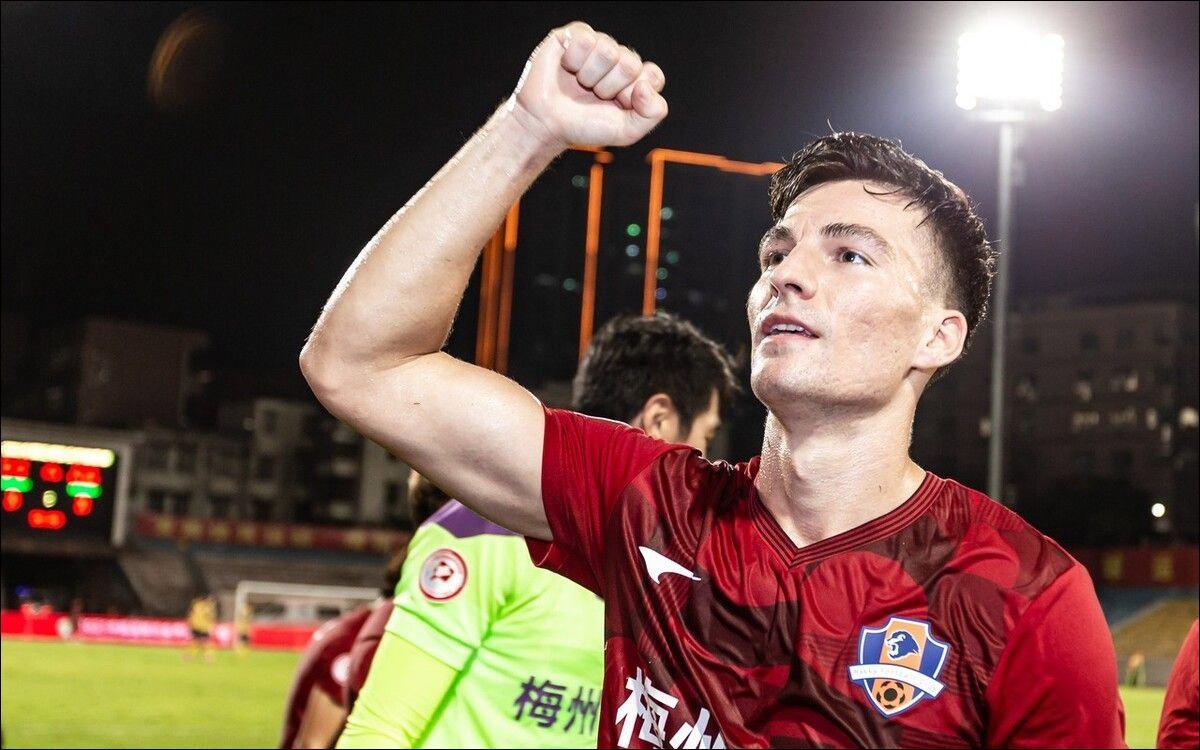
Vas Nuñez (Credit: QQ)
We begin our look at defenders with the centre back position where no player improved their stock more in 2021 than Meizhou Hakka’s Vas Nuñez. The 26 year old nearly quit football after R&F’s withdrawal from the Premier League in October 2020, but he decided to give it one more shot when he signed with Meizhou in February 2021. Nuñez made 33 appearances in China League One last season, more than any other Hong Kong player playing abroad. He could be one to watch, if for no other reason than the fact that he has yet to be capped by Hong Kong at the senior level.
The act of Hong Kong players being sold for any fee is a rarity in Hong Kong football but in 2021, that’s exactly what happened for Leung Nok-hang and Li Ngai-hoi. Leung was purchased by Zhejiang Pro for a Hong Kong record fee which could reach up to 20 million RMB when all is said done. He is currently the Green Giants’ starter at centre back and will play in the Chinese Super League next season after helping his club to promotion.
Li, on the other hand, joined Nantong from Kitchee last February and had an up and down year with the Jiangsu-based club. By the end of the season, he established himself as a starter his club, who finished just outside the playoffs.
Another centre back who is currently plying his trade in China is Andy Russell. The 34 year old is the oldest and most experienced of the four Hong Kong centre backs in the mainland. He had been a starter under Paatelainen but unfortunately, could not be called into the squad last June. What the former South China and Tai Po player lacks in pace, he makes up for in positioning, and offers a level of physicality at the position that only Clayton can rival.
If all four of them are unable to travel due to restrictions, Andersen could turn to Hélio, Clayton or Yu Wai-lim. Andersen will be familiar with Hélio, given that the 35-year-old naturalized Hong Konger tore his ACL against North Korea in March 2018. The Kitchee centre back’s abilities have declined since returning from injury but remains indispensable for Hong Kong due to his experience in big matches.
Hélio’s partner in Hong Kong’s most recent match was Clayton, a player who was naturalized in 2017, but did not make his debut until that very match against Bahrain. He stands at 6’4” and offers a threat on set pieces for Hong Kong.
Yu Wai-lim, on the other hand, is less physical and rawer than any of the other centre back options available due to his age. Lee Man head coach Chan Hiu-ming has given Yu more regularly starts in the past year and the 23 year old has repaid his head coach’s faith. Yu is the quickest of Hong Kong’s centre backs and could give Andersen the option to play with a slightly higher line.
Fullbacks
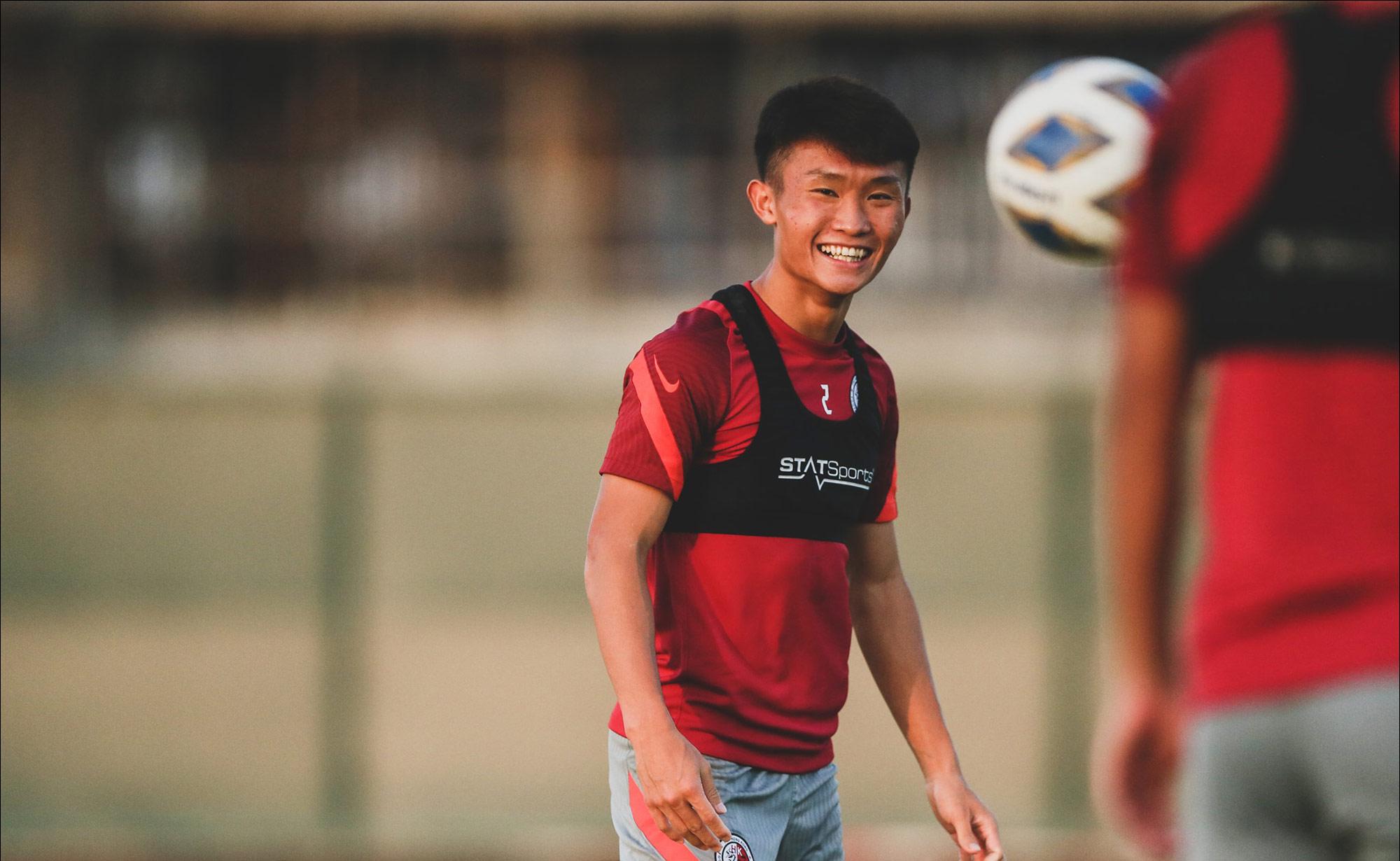
Tsui Wang-kit (Credit: HKFA)
Originally, this section was going to be about how Shinichi Chan and Tsui Wang-kit are the presumptive starters at left back and right back respectively, and how the only decisions for Andersen would to select the backups. However, in the past month, the HKFA have announced that Chan would be barred from representing Hong Kong until December 2022 for his role in the U23s drinking binge. The loss of Chan will be a huge blow for Andersen, who now loses a player that is one of the more talented crossers of the ball in the Hong Kong pool.
Fortunately, he still has Tsui, who has been stellar since signing with Lee Man in November 2021. The 25 year old left Rangers to join Meizhou Hakka in 2018 and returned to Hong Kong a much better and more versatile player. Tsui can perform well at his natural position of right back, or at left back, and is also competent at centre back. With Chan now unavailable for selection, it is likely that Tsui will be asked to fill in at left back where there are fewer players for Andersen to choose from.
The previous incumbent at left back was Chan’s Kitchee teammate Dani Cancela, who been recovering from a facial injury for most of this season. Despite his age, Cancela is still an above average left back domestically by the game may have passed him by internationally. The 40 year old was poor in his most recent appearances for Hong Kong and has not bee called since November, seeming to have quietly retired from international football. But with few options available, Andersen may make an inquiry to Cancela to ask if he wants to give it one last go.
An intriguing option for Andersen to consider is Yue Tze-nam. The former attacking midfielder was converted to right back by Eastern head coach Roberto Losada this season and has been solid in his new position. Whether he can play right back at the international level is yet to be determined as the level of competition in domestic competition is not high. What Yue does bring to the table is raw talent. He possess the ability to find a sudden burst of acceleration and skip by defenders with the ball. Yue spent last season on loan at Resources Capital where he was able to get regular minutes and showcased both an awareness of where to find space and the fearlessness take on defenders one-on-one with the ball – qualities that are rare for Hong Kong footballers. Again, we repeat that Yue is relatively inexperienced at right back, but his raw talent may be enough to sway the head coach into calling him up.
A player who has grown into his own this season is Law Tsz-chun. Law has played left back, right back, left wing back and right wing throughout his career, but this season he has primarily played as a right back when Kitchee are in a back four, or as a right wing back in a back three. His versatility offers Andersen options not just in terms of formation, but also tactically in how aggressive he wants to attack the opposition. Law does not possess the same vision as Yue, nor is he as technically gifted, but his tactical awareness is more advanced given his age and experience. He would be more natural at right back than Yue, who could then be deployed as a right sided midfielder in a 4-4-2 or 4-1-4-1.
Lee Man’s Tsang Kam-to is a solid, but unspectacular player who has been part of the Hong Kong setup in the past. His performances have rebounded a bit this season after a disappointing last two seasons. Tsang also brings pace to the right back position but his end product when he gets into the opposition third leaves much to be desired.
If you’re looking for a dark horse, Tsang’s teammate Wong Chun-ho, who is playing as well as anyone at Lee Man right now, is one to consider. The 31 year old, who has never represented Hong Kong at any level, can play both right back and holding midfield.
Other options for Andersen to consider are Kitchee’s Tong Kin-man and Southern’s Chak Ting-fung, although both would far down the pecking order. The former was called into Paatelainen’s final Hong Kong squad while the latter is capable of playing as a fullback or a central defender.
Defensive Midfielders
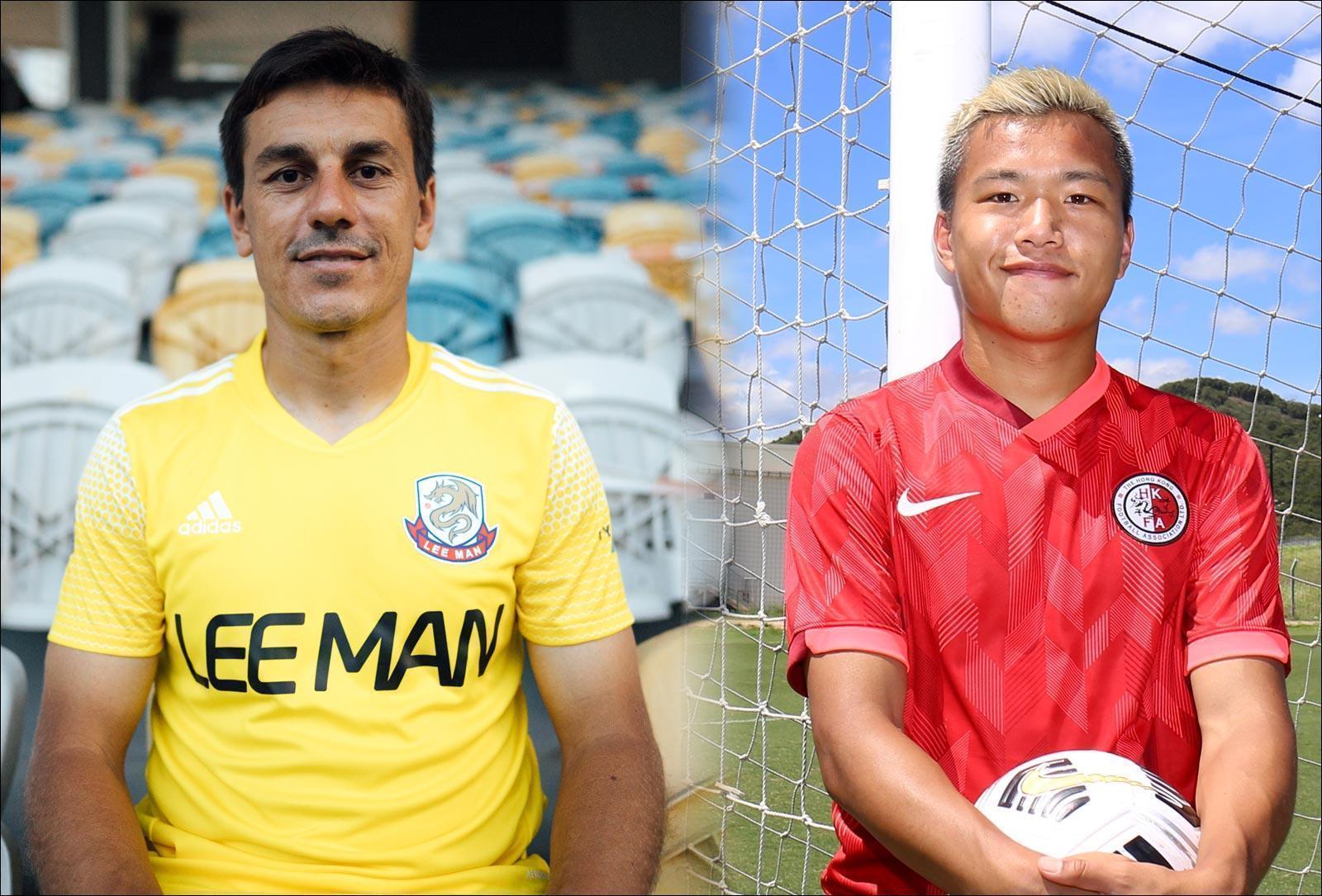
Diego Eli (left) and Ngan Lok-fung (right) (Credit: Lee Man/Huen Ka-man)
If Yapp is the first name on any team sheet for Hong Kong, then surely Tan Chun-lok is the second name on that sheet. Tan was the only Hong Kong player in the CSL last season and is serves a bridge between defence and attack for Hong Kong. Although he has mainly played as a holding midfielder internationally, he is an absolute work horse on and off the ball and has also played as a box-to-box midfielder and attacking midfielder for his club. Whether Guangzhou City will release him for international duty is separate matter, but Andersen will desperately want a midfielder like Tan who can progress the ball with short simple passes.
Although Huang Yang is the current Hong Kong captain, the Kitchee man’s performances have declined over the past year and Andersen may choose to replace Yang for good. The 38 year old has played in less than half of Kitchee’s matches this season and missed the FA Cup semi-final against Rangers due to a conflict with his coaching license courses. Yang may choose to retire on his own which means that others will have to step up.
Luckily for Andersen, holding midfield is not a position where Hong Kong lacks depth and there are a number of players who are deserving of call ups. Ngan Lok-fung and Diego Eli, both of Lee Man, have played well together this season with Ngan often being the one who plays a slightly more advanced position than Diego. Given the brief window of time that Andersen will have with his players, he may well opt to start both players in order to keep a familiar partnership together.
If the coach is looking for position versatility, Leung Kwun-chung is a player who can be called upon to play as a holding midfielder, centre back, and left back. The latter position is the one where Leung has played most often this season at Eastern, but his lack of pace will certainly be exposed if deployed at as a left back in international matches.
Like Leung, Sean Tse is a player who Andersen can use in midfield and at centre back. But similar to Leung, Tse is not the quickest player, which could make him a liability on the pitch against counter attacking teams. The former Manchester City academy product received his Hong Kong passport last August and could be a depth piece for Andersen.
Roberto is a player who has played as a holding midfielder and centre back for Hong Kong. But with increasing age, mediocre performances at the club level, and better options out there, it is not expected that he will play a further part for the team.
A potential wild card who could provide competition in a central midfield role is Matt Lam. The 32-year-old former Canadian U20 player is currently going through the naturalization process and faces a race against time to receive his passport before June.
Attacking Midfielders

Philip Chan (Credit: Kitchee)
What a year it has been for Philip Chan. After being frozen out of the Southern squad following a bust up with head coach Zesh Rehman, he agreed to a buyout with the club and moved to Rangers in March 2021. He played well enough in his limited action for some fans to call for him to be included in the Hong Kong squad last June. When that didn’t happen, an HKFA staffer responded to a fan’s comment on the HKFA Facebook page, saying that Chan had been a “disaster” for Hong Kong in his most recent appearances.
PR disaster aside, Chan has been a revelation at Kitchee, where he was signed to replace the injured Justin Ho. He has provided some much needed energy off the bench for the Bluewaves in matches where they appeared to be sleepwalking towards the finish. Like Tan Chun-lok, Chan can play as a holding midfielder or as a central midfielder, but we decided to list him as an attacking midfielder because that is where he has played most often at Kitchee. Whether he can be deployed as the sole creative playmaker in the squad is a question that Andersen must solve as the coach often likes to use a double pivot, leaving one midfielder as the number 10.
A player who is working his way back into form is Cheng Chin-lung, who is on loan this season with Southern and currently has three assists in the league. Cheng was called into the squad last June despite having failed to impress in his limited minutes at Kitchee. Normally an attacking midfielder, he has been asked to play centrally and out wide on the left for Southern. Due to Hong Kong’s depth at wing, it is more likely than not that Cheng would be used centrally if he were selected.
But depth in attacking midfield is a problem for Hong Kong, and Andersen could be forced to call up Wong Wai despite his poor form. The 29-year-old’s career has stagnated since failing to earn a move abroad after leaving Tai Po in 2019. He is currently on loan at Hong Kong U23 where he is expected to carry the team. However, Wong has struggled with injuries during the early portion of the season and the jury is still out as to whether he deserves to be in the squad come June.
In addition to the issue of depth is the lack of creative players in the Hong Kong pool. Could Andersen solve this problem by turning to 36-year-old Lam Ka-wai as a surprise call up? It wouldn’t be the craziest of ideas. The Rangers captain last played for Hong Kong in 2018 and lacks the legs to be a starter for the team. What Lam still has, however, are his clever instincts and his vision. As purely an option off the bench, he could be worth a look. Given that squad sizes will continue to remain at the expanded size of 25 players, there’s room for to add a role player like Lam.
It says something, perhaps, about the Hong Kong development system that they haven’t developed an attacking midfielder in the four years since 2018 who has truly replaced Lam, but that is a discussion for another day.
Wingers
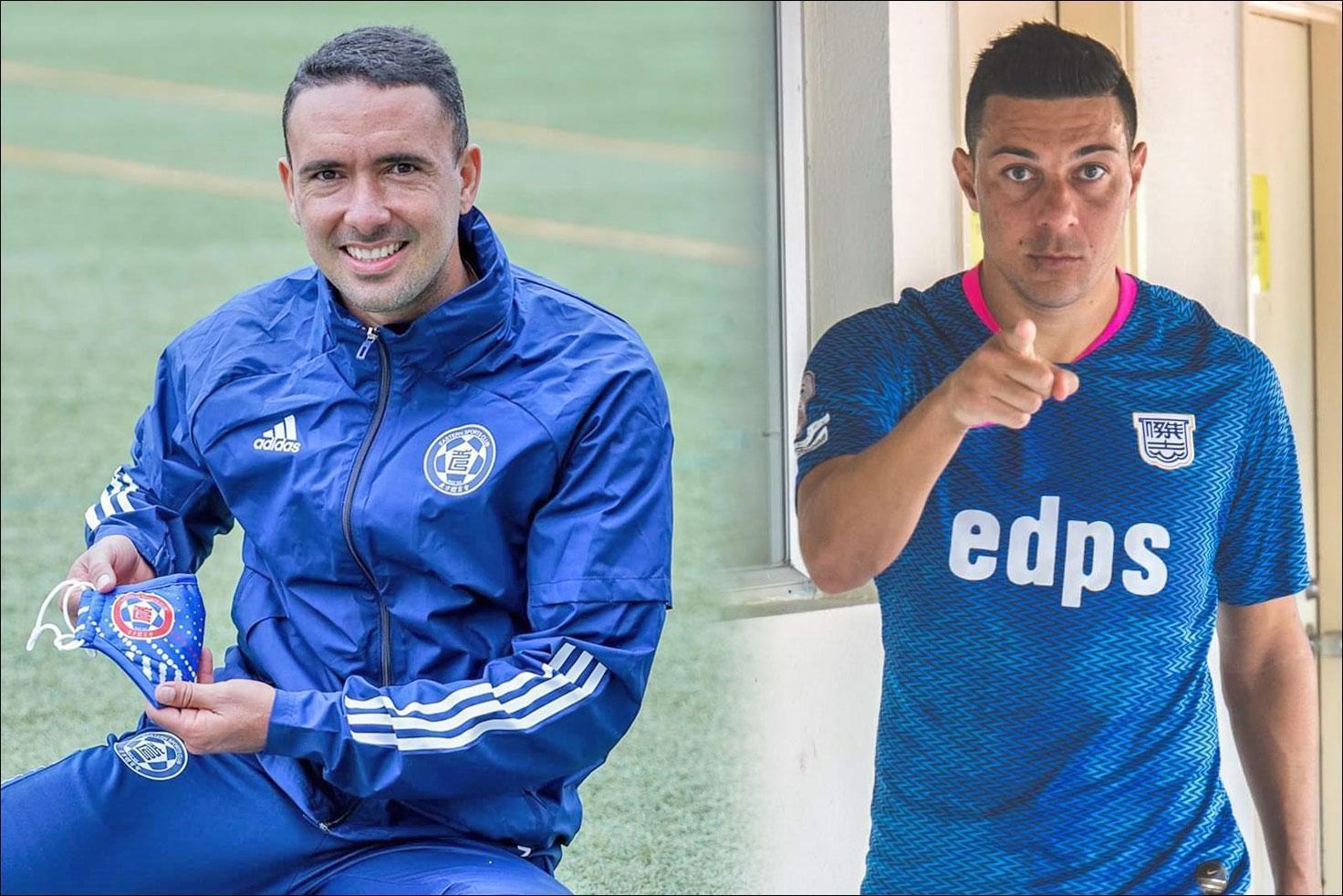
Fernando (left) and Wellingsson (right) (Credit: Eastern/Kitchee)
Two years ago, you’d be hard pressed to find any Hong Kong fan who wasn’t thrilled at the prospect of gaining Wellingsson and Fernando via naturalization. At the time, both players were amongst the best players in the Premier League, scoring 61 goals and contributing 63 assists between them in the years 2014-2020. The ability to gain not one, but two players who can be labeled as ‘game changers’ would’ve been a game changer for Hong Kong.
But fast forward to 2022 and both players have been shadows of their former selves. Both players have since suffered long term injuries which have slowed them down as they approached eligibity for naturalization. Fernando has not been the same since recovering from surgery on his Achilles, and one wonders whether Wellingsson will be a shadow of his former self once he’s ready to return. Questions about the duo’s durability have continued this season as Fernando has yet to play a full 90 minutes in any of his appearances this season while Wellingsson has yet to do so since November 2020.
How Wellingsson and Fernando play heading into June – if they play much at all – will have a huge impact Hong Kong’s hopes of advancement. Simply put, the Hong Kong team is in desperate need of players who can be special on their day. They lack players who have vision, anticipate situations, and can create space for themselves or their teammates. If the naturalized Brazilian duo can return to being even 70% of what they were two years ago, that would be massive for Hong Kong as the team will rely on them to create changes and put the ball in the back of the net.
Behind Wellingsson and Fernando, Andersen has a plethora of players of similar ability that he could pick from. Marcus Chang has seen more regular minutes in the first half of the season at Lee Man due to injuries to other players and has scored three goals and contributed two assists in nine appearances across all competitions this season.
His teammates Cheng Siu-kwan and Anson Wong Ho-chun are both options for Andersen to consider. Cheng was a regular callup under Paatelainen but has struggled this season with a knee injury which eventually required surgery. Wong is a player who has been capped by the U19s and can play all three forward positions. He is still inexperienced at the senior level, but his technical ability is hard to ignore.
Alex Akande remains an unlikely call up at this point, but his pace could offer Andersen a late game option if he needs a player to run at opposition backlines. The 32 year old is Hong Kong’s highest active goal scorer, having bagged 10 in 27 appearances.
An honourable mention goes out to Chung Wai-keung. The Eastern winger will almost assuredly miss out on next June’s squad after electing to undergo knee surgery last September. Chung was never a key player for Hong Kong, but he was a reliable player on the bench who could play left back, left wing or right wing and swing in a decent cross now and then. It’s a shame that Andersen has been hired after Chung’s surgery as the new coach may have been able to watch him on film and find a role for him.
Strikers
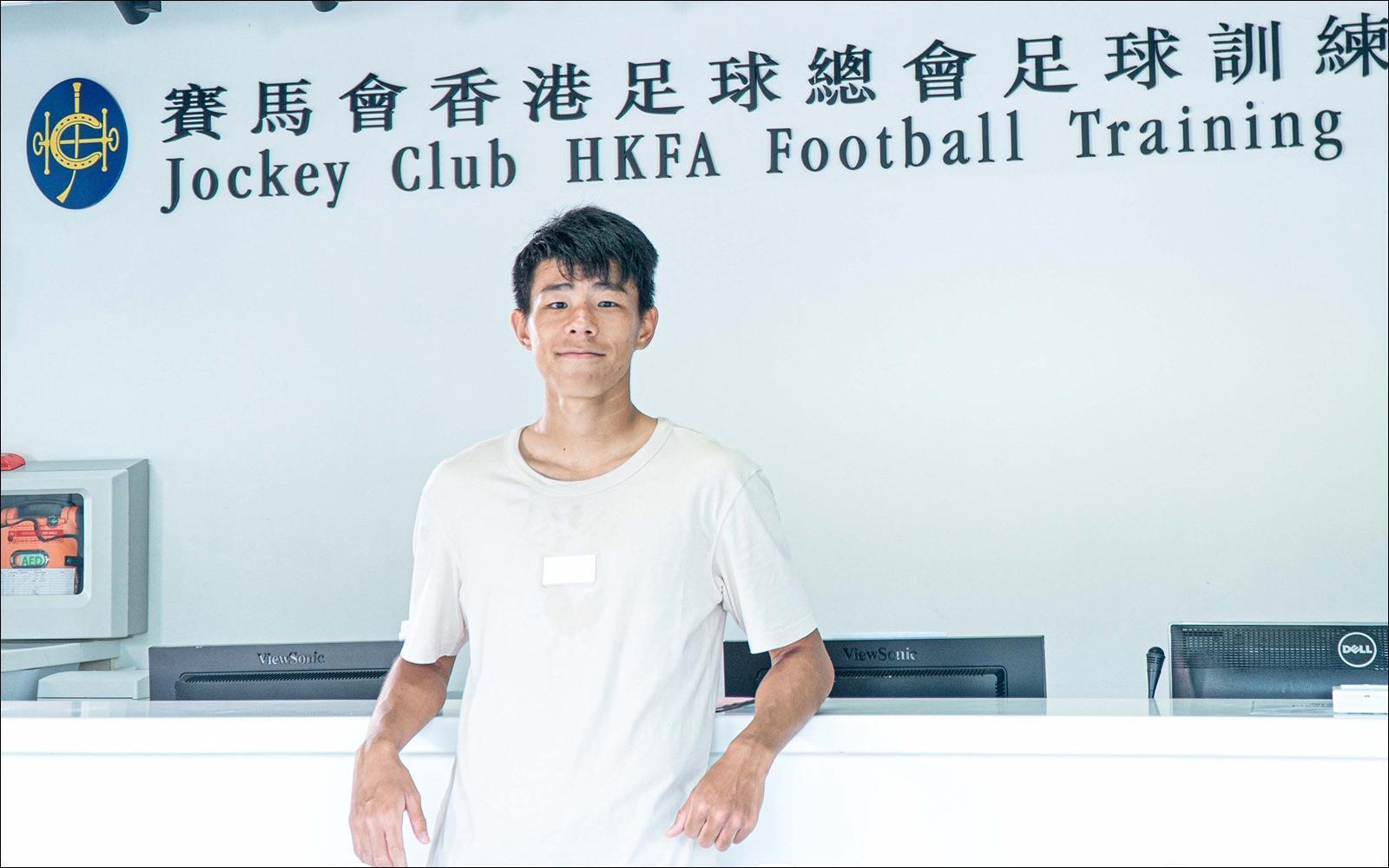
Sun Ming-him (Credit: HKFA)
Centre forward is a position which will require some creative solutions on the part of Andersen. Sandro, who at this time seven months ago, was Hong Kong’s best striker, is no longer an option for Hong Kong after deciding to pull out of last June’s squad because he was out of contract. He has remains out of contract at time of writing and appears to have burned every bridge within the local football community. In Sandro’s absence, Paatelainen called upon two men to play as lone strikers last June.
The first was Matt Orr, who often plays as a left winger for Kitchee at the club level. Orr scored Hong Kong’s only goal in three matches last June and then scored a crucial equalizer the following month for Kitchee in the Champions League to help the Bluewaves salvage a draw against Port FC. Orr has nine goal involvements in the Premier League since 2020, the most of any active local player. Although he has lacked a bit of sharpness thus far this season, Andersen may find him indispensable come June due to the lack of depth at this position.
The other player Paatelainen used was James Ha. The Southern player can also play right wing but lacks the technical ability to deliver reliable crosses. He possess relatively great speed at the club level, but his pace is made rather ordinary at the international level. Ha’s greatest asset, aside from pace, his is work rate off the ball and should Andersen want a play who will hound the back line when Hong Kong press, Ha is the right man for the job. However, his frequent inability to find space off the ball at the international level often hinders his teammates’ ability to pass him the ball on counter attacking plays, causing countless moves to break down.
Fortunately for Andersen, the solution to Hong Kong’s scoring woes could come in the form of Sun Ming-him. The 21 year old is somewhat of a regular for the Hong Kong team, having made his senior debut two years ago under Paatelainen. He has since made five additional appearances, including two in last June’s qualifiers. But while the previous manager saw Sun as a wide midfielder, Andersen may see him as a striker, where he has scored eight goals and tallied four assists i4 appearances across all competition this season for Eastern.
Sun is an intriguing player as he broke into the Premier League as a striker for Hoi King. After the club’s relegation after the 2018-19 season, he has been used as a left back, left wing, and right wing by Tai Po and Pegasus, which caused his performances to become inconsistent. Now that he has earned a move to Eastern, he is surrounded by perhaps the best group of players he has ever been surrounded by in his career, and has flourished as a centre forward under Roberto Losada, a former striker himself.
Could Andersen, who was the Bundesliga’s Golden Boot winner in 1989-90, also get the most out of Sun by playing him as a centre forward? It’s one of the many questions that can’t be answered before June. And if Orr, Ha, and Sun can’t do a job for Hong Kong, there is always the possibility that Russell and Clayton could be asked to play as strikers.
Possible starting XI’s
Trying to project Hong Kong’s starting XI five months out with a new head coach is like trying to predict the weather in Hong Kong on 8 June. Many things can change between now and then, but we’ve already written 4,000 words thus far in this article so why not try and predict how the players will line up?
An important caveat to note is that all of these lineups are made under the assumption that Andersen will have all of his best players available. This means that all of the China based players are released and there are no significant injuries or contractual situations which may cause players to pull out.
Throughout his career, Andersen has used several different formations, but the tactics remain the same. During his managerial stints at Mainz, Karlsruher, and Kickers Offenbach, Andersen tended to use 4-4-2 as his preferred formation. Since going abroad, data from Transfermarkt shows that Andersen has employed various different formations including 4-2-3-1, 4-3-3, and to a lesser extent, 4-1-4-1.
During his introductory press conference, Andersen used the word “aggressive” several times to describe how he wants his Hong Kong team to play. He also said specifically that his team will “…press the opponent, don’t let them come too easily in our half, not too easy attacking our goal.”
For the purposes of this article, we’ve compiled five possible formations that would suit the Hong Kong team. Regardless of what formation he will use, we can presume that Andersen will have a selection bias towards players who are pacey, anticipate situations well, can move the ball quickly and have a high work rate. Finding Hong Kong players with a combination of all three qualities is rare and because of this, it is possible that the coach may choose to ignore the amount of experience or leadership that a certain player brings if they do not fit into his aggressive, counter-pressing style.
Each of the projected starting XI’s come with possible tactics for how Hong Kong can attack, defend, or play in transition.
4-2-3-1
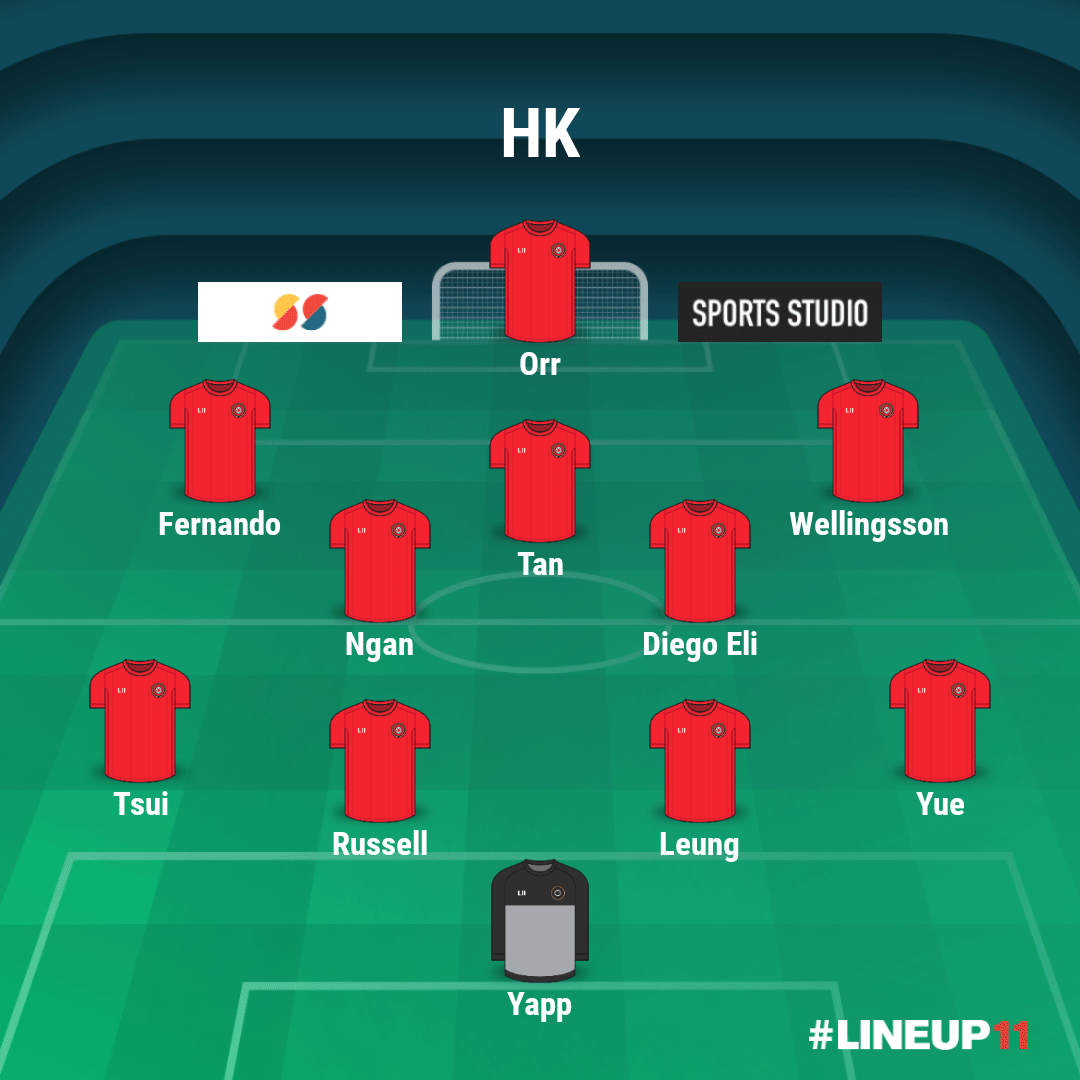
A recurring problem we encountered during this exercise was trying to determine what Hong Kong’s best centre back pairing might be. The problem, unlike some of the others that Andersen will have to solve, is one that the manager will be happy to have because it means that there is healthy competition at the centre back position. As we discussed in the centre back section, there are potentially up to seven central defenders who could start for Hong Kong and every possible pairing will have its own strengths and weaknesses.
Eventually we settled on Leung and Russell, the same pairing who played together during Hong Kong’s last victory and Hong Kong’s last draw, against Cambodia and Bahrain respectively.
Another problem that we was that Hong Kong’s two best wingers – Wellingsson and Fernando – and both left footed, which means that if they were to both be included in the starting eleven, one would have to play as an inverted winger. One way to solve this problem would be to take Marcus Chang, who plays as an inverted left winger, and move him to the right and keep one of Fernando or Wellingsson on the left.
In the end, we decided it would be best to keep both in the lineup and use Wellingsson on the right for several reasons. First, neither player is a traditional winger who looks to drive to the byline and swing in a cross. Instead, they both prefer to create chances for themselves with the ball. If they create a scoring chance for others, it is because they have created enough havoc to draw defenders out of position such that it creates space for someone else. Second, during the half season that both players were teammates at Kitchee, Welliingsson would be the one to switch to the right, where he had success in his limited time that that position.
With an inverted winger on the right, Andersen would need his right back to overlap in other create width on that side of the pitch. We thought hard about using Tsui in his natural position, but we felt that the hole left by Shinichi Chan’s ban required a player of Tsui’s quality to fill. This creates a different problem as he is right footed and would need to cut in side in order to deliver service into the box. But this also opens the door for Tsui to play as an inverted left back, make underlapping runs into the box, and make himself a target at the near post with his aerial ability.
The dilemma then becomes who to play at right back? While Tsang, Law and Yue all have their merits, the nod ultimately went to Yue because of his athleticism. Because the player at right back needs to frequently overlap, we wanted to use a player who could more quickly recover if the ball is turned over while he is high up the pitch. But we acknowledge that it would be a risk to start Yue in this position and would be a brave call to make for Andersen.
4-4-2
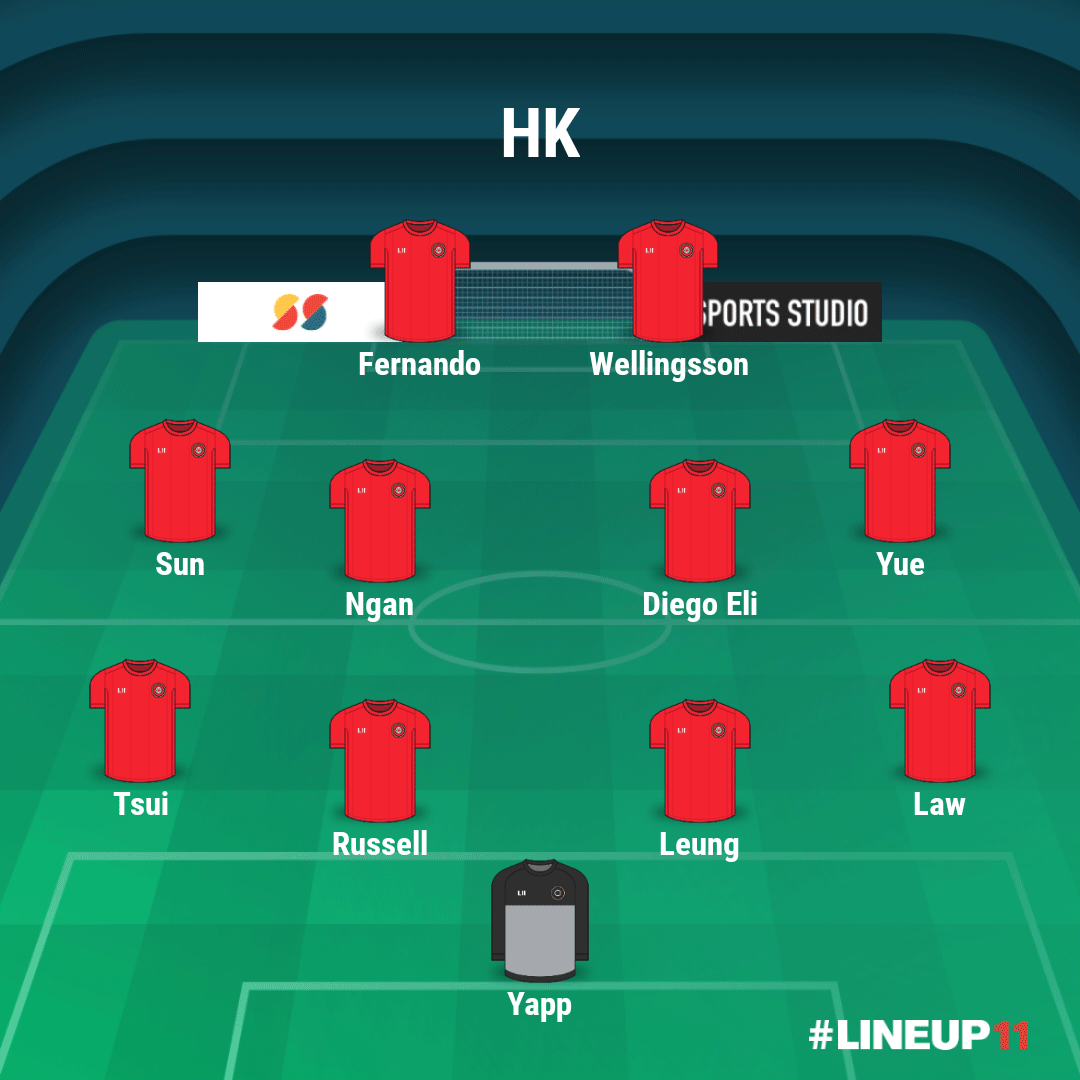
While a 4-2-3-1 would try to balance defence and attack, Andersen may use a 4-4-2 to create more defensive stability. Unlike the 4-2-3-1, Hong Kong’s creative players are not out wide but instead, they are asked to play up top as strikers. In this formation, Hong Kong would look to play long balls into Wellingsson and Fernando, hoping that the two can combine together and create space and chances for the other.
This set up would truly depend on the two naturalized players to carry the attack as the other eight players would mostly primarily defend. Sun and Yue, the two wide players in this lineup, would be asked to go forward and provide support only when the two strikers can establish possession in the opposition third. However, if Andersen has any doubts about Wellingsson or Fernando’s ability to create magic, then either player, or both, should be replaced with a natural striker such as Sun or Orr.
In order to prevent the team from having no creativity in the centre, we decided that we must include one of Tan or Philip Chan as one of the midfielders and either Ngan or Diego Eli as the other. We went with Tan and Ngan due to their work rate though either of them could be subbed later in the match depending on the score.
An alternative option for Andersen to consider is whether to use Tan at right midfield where he has played at times for Guangzhou City. This would give Hong Kong a bit of creativity on the right and allow him to use both Ngan and Diego Eli as his central midfield pairing. Similarly, Chan has played left midfield on a handful of occasions at the club level and could also provide a link between defence and attack.
4-2-2-2
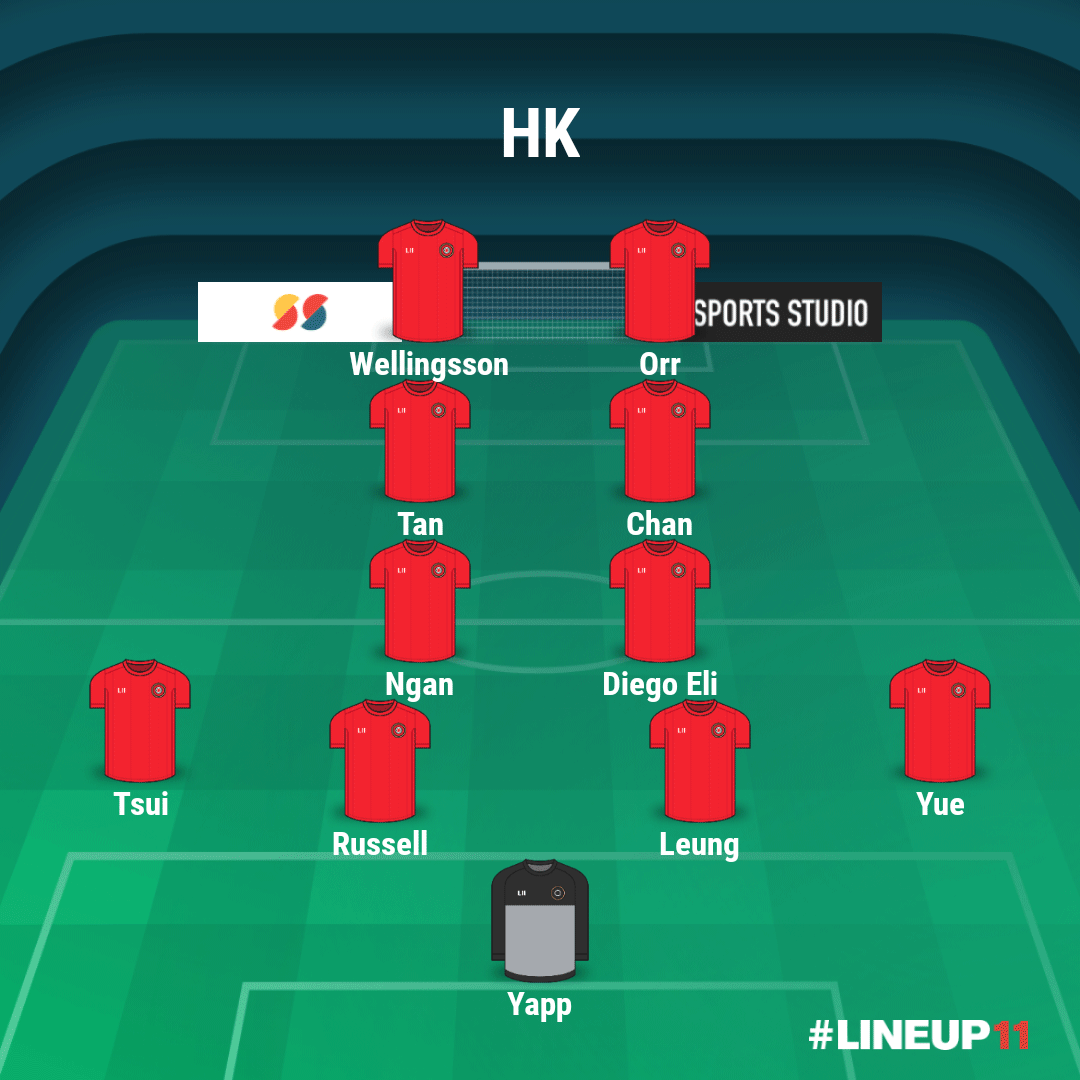
With a midfield of Tan-Chan-Ngan-Diego Eli, Andersen could try to set the team up in a 4-2-2-2.
This formation would preserve the double pivot in the middle of the pitch and allow the centre backs to build out of the back. Tan and Chan, playing as two number 10s would be the primary creators in this formation, and as such, Fernando would be dropped in favour of Orr in order to provide a target man. Wellingsson would remain in the lineup as he has more experience playing in a two striker formation than Fernando. Defensively, the 4-2-2-2 works best if Andersen asks his players to counter-press after losing the ball as it would allow the other team into make decisions more quickly than they are prepared to make. With four central midfielders, Hong Kong would have a central overload, which would allow the team to win the ball back in midfield and counter quickly.
The fullbacks would need to provide the width in this formation, which is why, unlike the 4-4-2, Yue would be the preferred right back due to his aforementioned athleticism. When the fullbacks go forward, one of the two holding midfielders would need to drop back to create a back three.
Because this formation is designed to be coupled with instructions to counter-press the opponent, the players who would best suit this tactic are players who are athletic, have a high work rate and can move the ball quickly. Nuñez was selected ahead of Russell due to the need for pace as Andersen would need to play a high line in order to suffocate the opposition. The glaring weakness with teams who use this formation is that, when other teams choose to sit back and allow you to have possession, the central midfielders can get in the way of each other’s passing lanes. Andersen would need to coach up his midfield players on how to move out into the half-space or the wing when in possession, so that Hong Kong doesn’t fall into the trap of retaining possession without movement off the ball to create penetration.
4-1-4-1
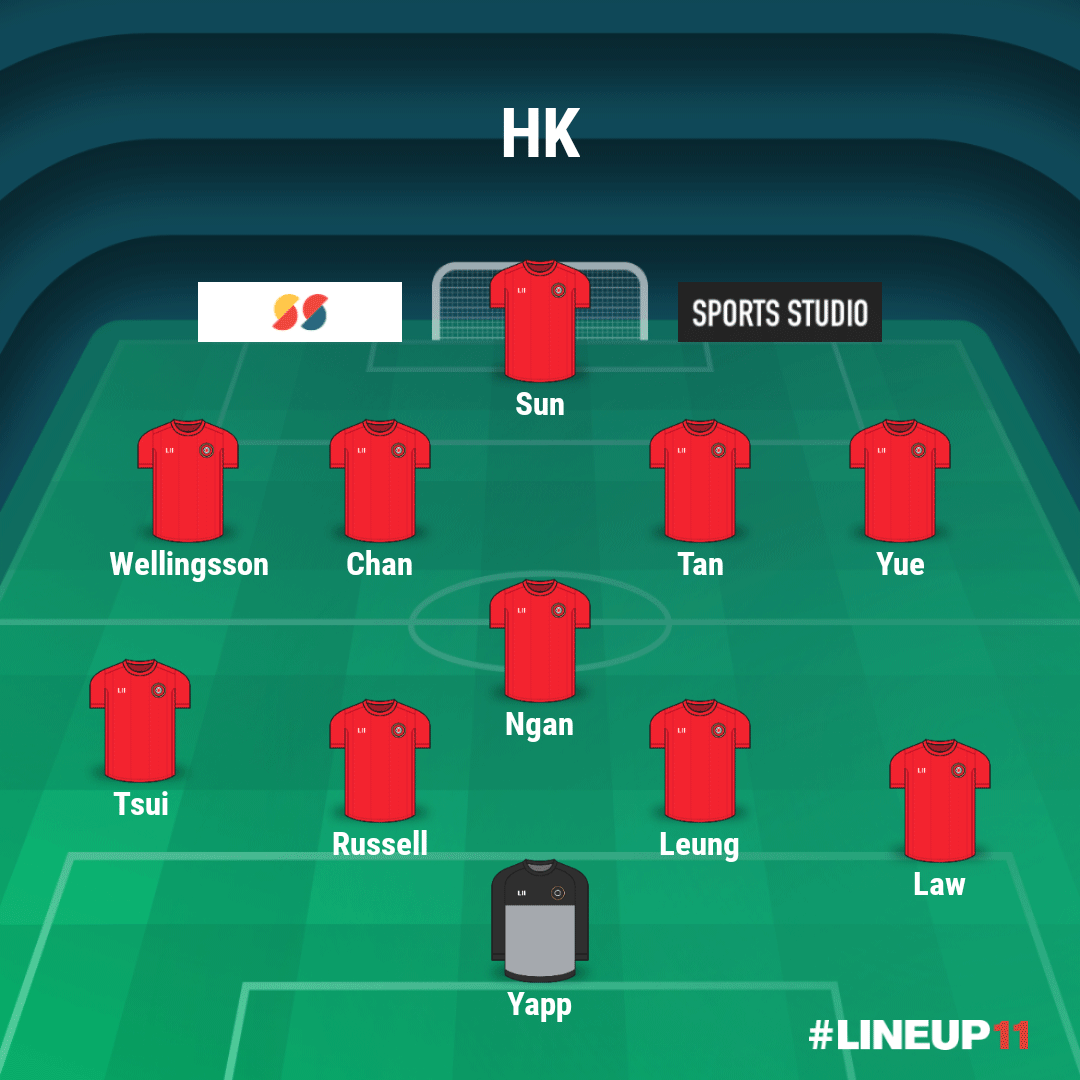
Admittedly, the main purpose for using this formation would be to enable Chan and Tan to be on the pitch at the same time as duo number 8s. The two have played to together just once – for 27 minutes in a match against Japan in 2019, but the risk would be no bigger than using both Fernando and Wellingsson as strikers. It should be said that the main tactic of this set is to try and dominate possession, and thus, should only be used against teams whom Hong Kong feel that they can keep the ball.
Sun gets the nod as the lone striker, while either one of Fernando or Wellingsson would play left midfield. Yue, who is no stranger to playing in a more attacking role, would be pushed up into a right midfield role with Law providing defensive cover behind him.
The concept here is that in possession, both wide midfielders would take up more central positions as Hong Kong would set up as a 4-3-3 in attack. Without possession, the pair would need to stay wide and help track the runs of opposition wingers. Alternatively, Andersen could sacrifice some creativity by dropping either of the two wide players for Sun in order to give his fullbacks more defensive cover, and substituting Orr or Wellingsson as his lone striker.
Tsui and Tsang would overlap to provide width, while Diego Eli drops back into defence when Hong Kong have the ball. Nuñez and Leung are the preferred centre back pairing as Hong Kong would play a higher line, hoping to win back possession quickly and give the ball back to the two number 8s.
3-4-1-2
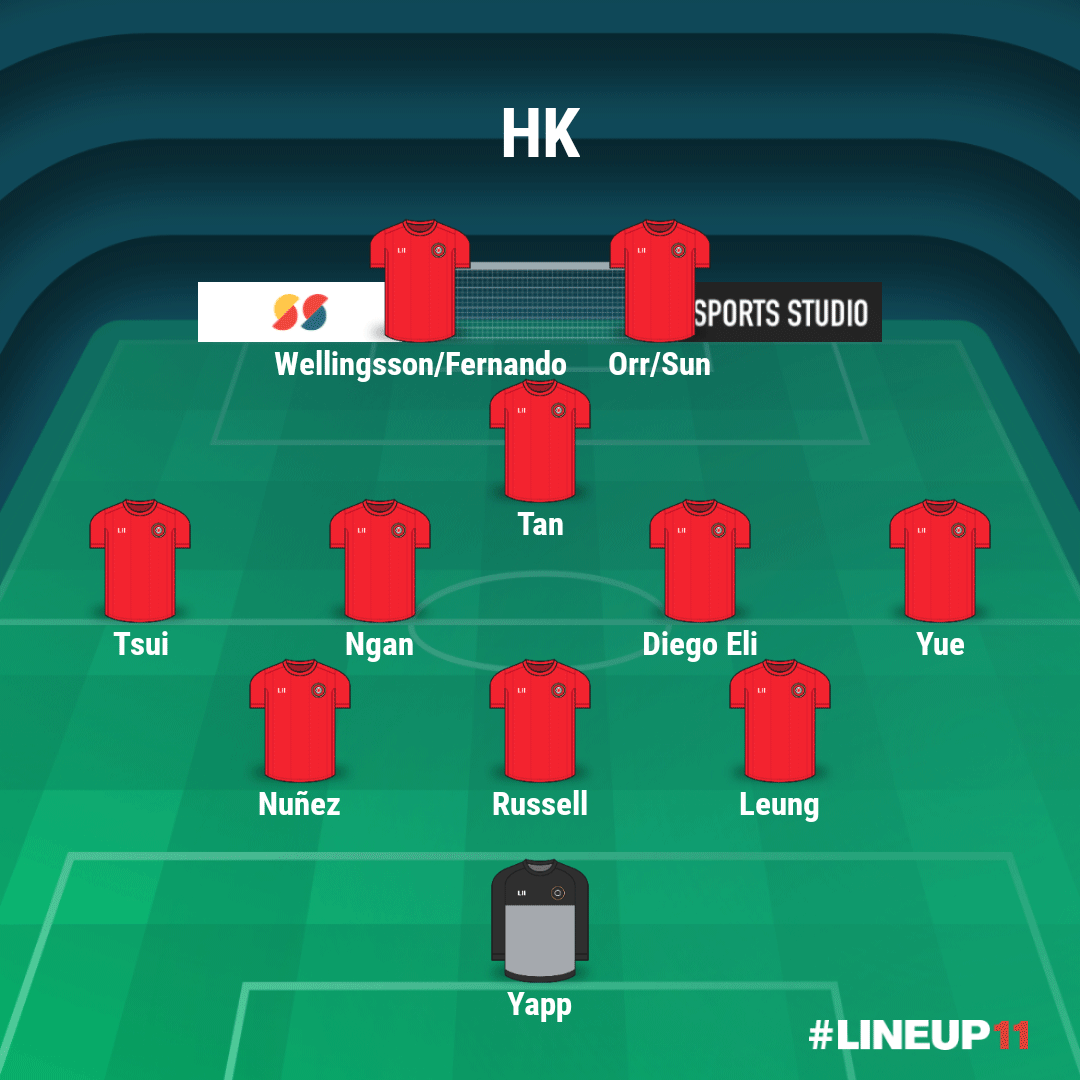
We acknowledge that Andersen is very unlikely to use this formation. It would be a huge gamble given that none of the players in the pool currently play in a three defender formation at their respective clubs. It makes even less sense to try this formation now that the loss of Shinichi Chan means that they will need to use a right footed player at left wing back.
But we still think that this formation could work and here’s why: Hong Kong’s strengths are at defensive midfield and centre back. Therefore, playing three at the back would take advantage of that depth. Against a two striker formation, Andersen’s centre backs would be able to outnumber the strikers. Against a team that plays with a single striker, Andersen could use one of his centre backs to mark the striker and assign zones for the other two to cover.
Without the ball, Hong Kong would play with five at the back as the wing backs would drop deep and prevent the team from being stretched. With the ball, Hong Kong would need its wing backs to provide width. Because of this, Wong Chun-ho, and not Diego Eli, would play alongside Ngan in a double pivot. Wong and Ngan have started in 14 different matches together so there would not be any problems with chemistry. Wong has also played at right back for most of the season would means that tactically, Andersen would be able to send Yue forward higher up the pitch when Hong Kong are in position and slide Wong over to cover at right wing back.
Andersen would need to come with a solution that will help Hong Kong generate chances down the left. He could use Tsui at left wing back and allow him to cut inside and shoot against weaker teams. He could use a naturally left footed player such as Cancela as a wing back if for no other reason than to rotate at the position. Or he could use Tsui as a defensive minded wing back that rarely looks to join the attack, necessitating the use of a player such as Fernando or Wellingsson, who can create their own chances, as the left sided striker.
That brings us to another dilemma: the striker position. In order to make the 3-4-1-2 work, the strikers need to be able to link up with the attacking midfielder – in this case, Tan. It would not serve Hong Kong well to use both Fernando and Wellingsson in this case as the idea is to create chances from teamplay as opposed to individual brilliance. Therefore, in this formation, Andersen would pick one of Fernando or Wellingsson, and one of Sun or Orr.
When in possession, both strikers are expected to get in the box and be at the end of a final ball. When Hong Kong win the ball back, one striker can drop deep while the other runs in behind. When Hong Kong are out of possession, both players would try to counter press the defence by forcing the opposition to play the ball to their full back. Hong Kong would then need to shift quickly towards the side with the ball in order to force the opposition to play the ball long where Hong Kong’s centre backs outnumber the opposition’s strikers.
[ik_fb_like_button page_id=”https://www.offside.hk” height=”45″ colorscheme=”light”]